
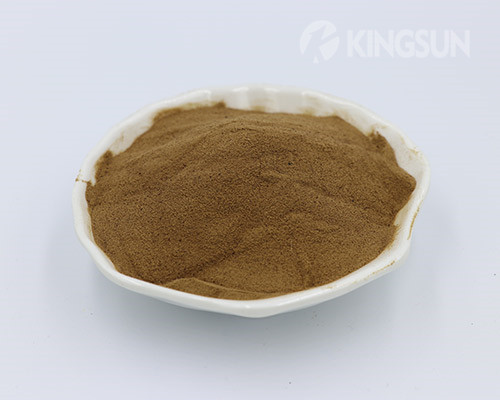
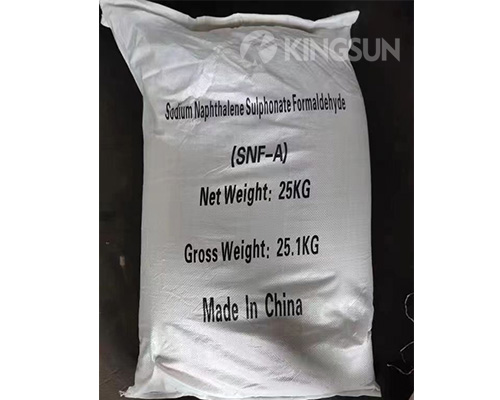
SNF-A superplasticizer, also known as sodium naphthalene sulfonate, is a conventional naphthalene-based admixture developed for general concrete production. Manufactured using mature condensation technology, it delivers effective cement dispersion and water reduction across a wide range of concrete formulations. The product is a light brown, free-flowing powder with a uniform appearance and no visible agglomeration or noticeable odor. Its excellent solubility enables efficient preparation in water, supporting convenient handling and consistent dosing during concrete production. It is well suited to conventional ambient-temperature conditions and standard construction practices.
Its balanced performance, broad compatibility, and economical dosage make SNF-A a practical solution for ready-mix concrete, precast products, industrial construction, and infrastructure projects. By reducing water demand while maintaining good workability, it helps concrete producers achieve the required strength and consistency with greater cost efficiency.
Technical Specifications of SNF-A Powder
| Type | SNF-A | SNF-C |
| Solid Content (%) ≥ | 92% | |
| PH Value | 7-9 | |
| Na2SO4 Content (%)≤ | 5 | 18 |
| Chlorine Content (%)≤ | 0.3 | 0.5 |
| Net Starch Fluidity(mm)≥ | 250 | 230 |
| Water Reducing Rate(%) | 26 | 23 |
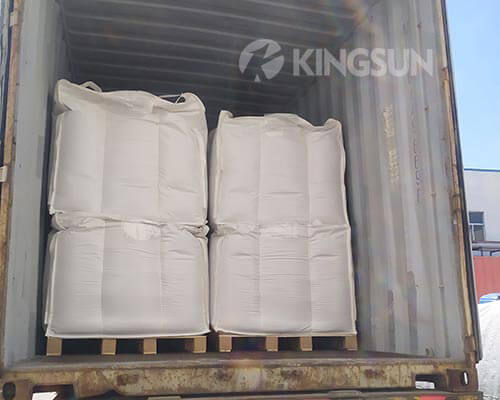
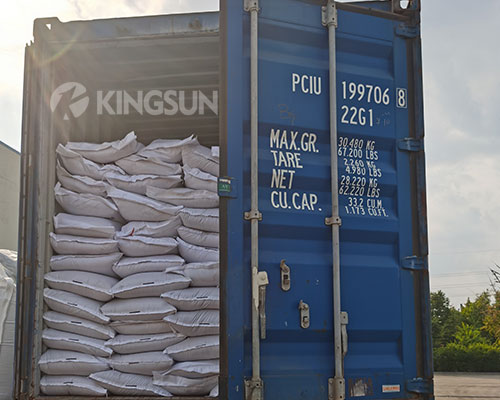
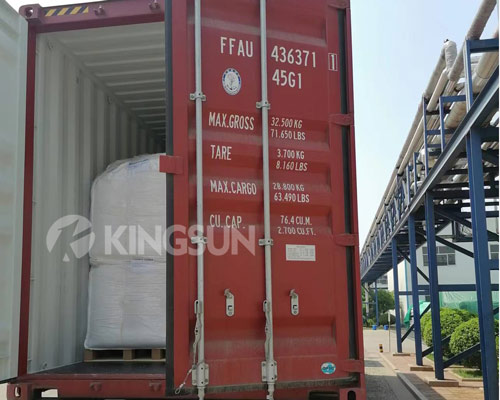
| Packing | 25kg pp bag; 650kg Jumbo bag. A customized package is available. | |
The SNF-A powder features a clean formulation with no chloride ions and a low sulfate content. It does not introduce significant setting retardation or excessive air entrainment, helping maintain the intended setting and hardening behavior of concrete. Its stable physicochemical characteristics provide dependable performance and make it suitable for routine concrete production and general construction applications.
Its key technical specifications meet high industry standards and comply with the requirements for high-efficiency water-reducing admixtures under applicable Chinese national standards. The active ingredient content is ≥92%, with high fineness and an exceptionally low level of impurities. At the standard dosage, SNF-A achieves a water reduction rate of ≥18% and a cement paste fluidity of ≥220 mm, exceeding the basic performance levels of conventional naphthalene-based water reducers. It also offers low shrinkage and excellent stability, making it compatible with a wide range of conventional cements as well as supplementary cementitious materials such as fly ash, ground granulated blast-furnace slag, and silica fume.
-
Main Uses
-
Performance Advantages
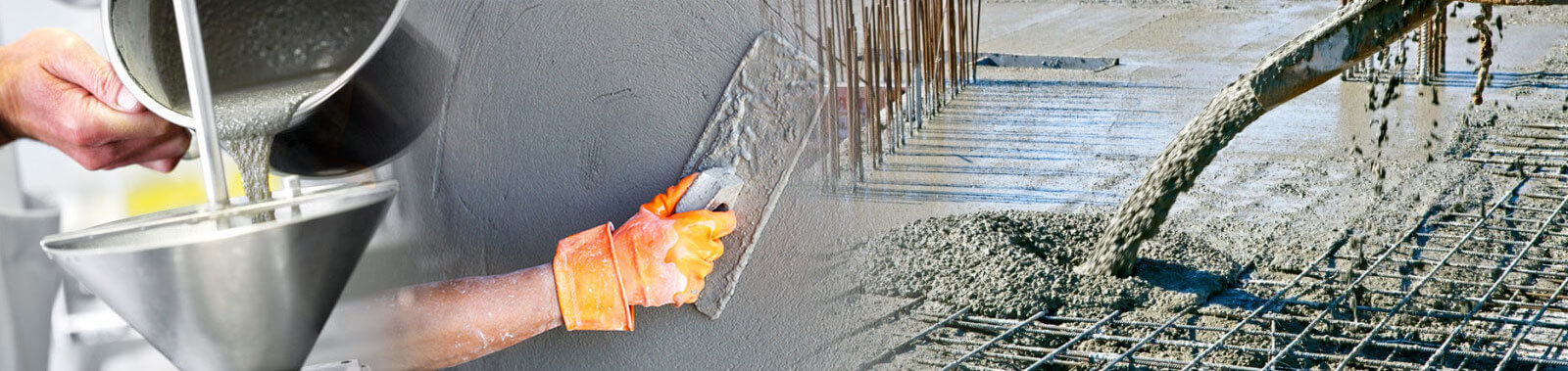
- It is suitable for transportation infrastructure projects, including highways, railways, bridges, and tunnels, as well as high-rise buildings, industrial facilities, municipal utility networks, and water conservancy and hydropower projects.
- SNF-A also performs well in precast concrete components, prestressed concrete, and steam-cured concrete. It is suitable for high-flow pumpable concrete, impermeable and waterproof concrete, and high-strength structural concrete, helping meet the performance requirements of demanding construction applications.
- Beyond concrete production, SNF-A can also be used in small quantities as a dispersing agent in industries such as chemicals, papermaking, and rubber processing. Its broad application range makes it a versatile functional additive for both construction and selected industrial processes.
1. High Water Reduction and Significant Strength Development
SNF-A achieves a water reduction rate of 18%–25%, significantly higher than that of conventional water-reducing admixtures. By effectively lowering the water-to-binder ratio, it reduces internal pores and air voids in concrete, contributing to higher early-age and long-term strength. SNF-A is well suited to high-strength concrete, prestressed concrete, steam-cured concrete, and other applications with demanding strength requirements. It can also help shorten curing cycles and improve overall construction efficiency.
2. Excellent Workability and Superior Construction Performance
The product improves the flowability, water retention, and cohesiveness of fresh concrete. It helps minimize segregation, bleeding, and pump blockage, making concrete placement, vibration, and compaction easier and more efficient. The product is particularly suitable for pumped concrete and high-flow cast-in-place concrete, helping reduce construction difficulties while improving surface finish and forming quality.
3. Broad Compatibility and Consistent Performance
It offers broad compatibility with various commonly used cements, including portland cement, ordinary portland cement, slag cement, and pozzolanic cement. It can also be combined with mineral admixtures such as fly ash, ground slag, and silica fume, as well as most conventional concrete admixtures, without significant adverse interactions or performance conflicts. With no intentional air-entraining or retarding effect, SNF-A supports normal concrete setting and hardening and delivers consistent performance across different seasons and construction conditions.
4. Enhanced Durability and Improved Resistance to Water Penetration
Concrete modified with SNF-A achieves a denser internal structure with significantly fewer capillary pores. This helps improve resistance to water penetration, freeze-thaw cycles, carbonation, and chemical attack while reducing the risk of shrinkage-related cracking. By supporting long-term structural durability, SNF-A can extend service life and help reduce future maintenance costs, making it suitable for infrastructure projects with demanding durability requirements.
5. Resource Efficiency, Environmental Benefits, and Cost Effectiveness
Under equivalent strength requirements, the use of SNF-A can reduce cement consumption by approximately 10%–15%, helping lower raw material consumption and associated carbon emissions. Its broad application range, stable performance, and economical production cost make it a practical choice for large-scale concrete projects. Compared with polycarboxylate-based superplasticizers, SNF-A offers a competitive cost-performance ratio, particularly for high-volume construction applications.
Precautions for Using SNF-A Superplasticizer
- Determine the optimum dosage through concrete mix trials before large-scale application.
- Dissolve the powder thoroughly in clean water before use to ensure uniform dispersion.
- Follow the recommended addition sequence and mixing procedure for consistent performance.
- Conduct compatibility tests when using SNF-A with new cement types, mineral admixtures, or other chemical admixtures.
- Avoid excessive dosage, which may adversely affect setting behavior, bleeding, or workability.
- Monitor slump, cohesiveness, bleeding, and segregation during concrete production.
- Adjust the mix design according to ambient temperature and actual construction conditions.
- For large-scale or demanding projects, complete laboratory trials and field validation before full-scale use.