
PCE powder, also known as polycarboxylate superplasticizer powder, is a third-generation high-performance concrete admixture. It is a comb-shaped copolymer powder produced through advanced polymerization technology. As a high-efficiency and environmentally friendly water-reducing and strength-enhancing additive, the product is widely used in dry-mix mortar, specialty concrete, and other high-performance building material applications.
Compared with PCE liquid, PCE powder provides easier storage, no leakage risk, lower transportation costs, and excellent compatibility with dry-mix systems. It is particularly suitable for various dry-process building materials. The powder can also be dissolved in water to prepare liquid formulations according to specific application requirements, making it a versatile solution for different concrete and mortar systems.
Technical Specifications of PCE Powder
Items | Standard | ||||
PCE Liquid (High Water Reduction) | PCE Liquid (High Slump Retention) | PCE Powder | |||
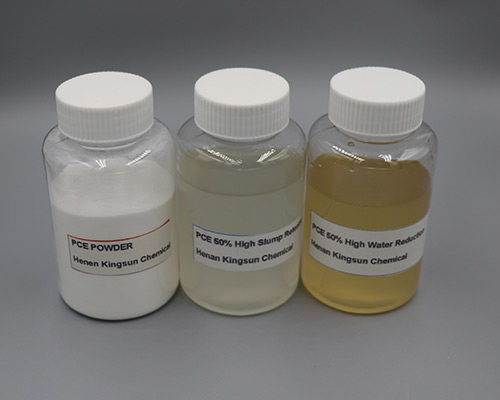
Appearance | Light Yellow Liquid | Clear Transparent Liquid | White Powder | ||
Solid Content, % | 50±1.0 | 50±1.0 | 98±1.0 | ||
Density (23℃) (kg/m3) | 1.13±0.02 | 1.05-1.10 | 600±50 | ||
PH | 6.5-8.5 | 6.5-8.5 | 9.0±1.0 | ||
Chloride Content,% ≤ | 0.1 | 0.1 | 0.1 | ||
Na2SO4 (by solid content), % ≤ | 4.0 | 4.0 | 4.0 | ||
Solubility | Completely Soluble | ||||
Water reducing ratio, % ≥ | 25 | ||||
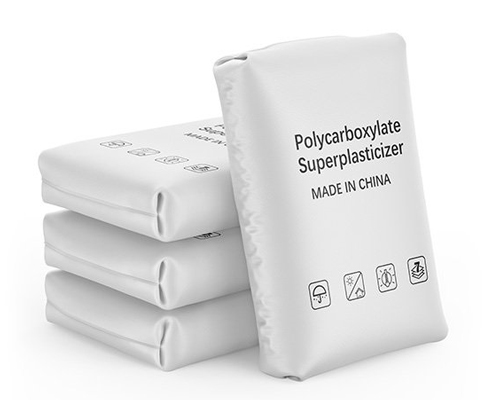
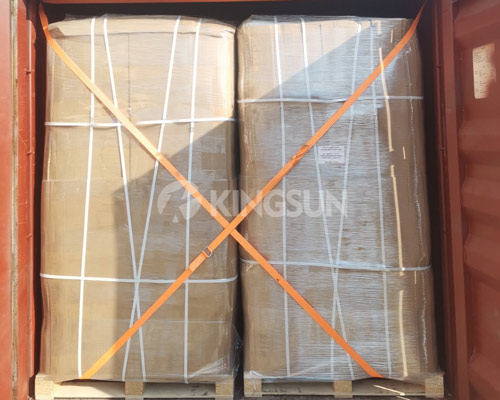
Packing | The packing of PCE liquid is 230kg PE drum, 1100kg IBC tank or flexitank. But for PCE superplasticizer powder, its packing is 25 kg PP woven bag. | ||||
-
Main Uses
-
Product Benefits
- Dry-Mix Mortars. Suitable for self-leveling compounds, grouts, tile adhesives, plastering mortars, waterproofing mortars, repair mortars, and other dry-mix mortar formulations.
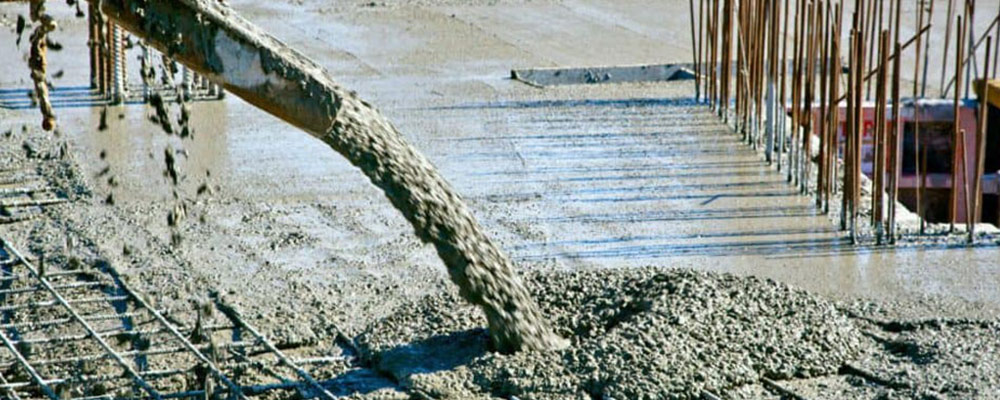
- High-Performance Concrete. Widely used in ultra-high-performance concrete (UHPC), self-compacting concrete, high-strength concrete, architectural fair-face concrete, and pumped concrete.
- Major Infrastructure Projects. Suitable for high-speed railways, bridges, tunnels, dams, ports, high-rise buildings, metro systems, and municipal infrastructure projects with demanding performance requirements.
- Precast Building Products. Used in precast concrete components, cement-based products, gypsum products, permeable concrete, ecological slope protection blocks, and other prefabricated building materials.
1. High Water Reduction
PCE powder delivers strong water-reducing performance with a low dosage. It improves the flow and workability of concrete and mortar while helping reduce the water-to-binder ratio. This supports higher strength, better density, and improved durability. Its good slump retention also helps maintain workability during long transport and extended construction.
2. Convenient Powder Form
The dry powder format is easy to handle, store, and transport. It avoids leakage and evaporation and requires less storage space than liquid products. Its lower shipping weight can help reduce transportation costs by 20%–30%, making it a practical choice for export and dry-mix production. Precise dosing also works well with automated batching systems and helps reduce material waste.
3. Flexible and Eco-Friendly Use
This product contains no formaldehyde or toxic and hazardous substances. It can be added directly to dry mixtures or dissolved in water before use. The product has little effect on normal cement setting and curing and can be used under both low-temperature and normal-temperature conditions.
How to Use Polycarboxylate Superplasticizer Powder
(1) Direct Addition to Dry Mixes. For dry-mix mortar production lines, add polycarboxylate superplasticizer powder directly to the dry raw materials and mix thoroughly with cement, sand, fly ash, and other components. Add water during the subsequent mixing stage. This method is well suited to fully automated dry-mix production processes.
(2) Dissolution Before Use. Dissolve PCE powder in clean water at the required ratio and mix until the powder is completely dissolved and the solution is uniform. Then add the prepared solution to the concrete mixing system. This approach is suitable for conventional batching plant operations.
(3) Dosage Control. The typical dosage is 0.1%–0.3% under standard operating conditions. For high-strength concrete and self-leveling formulations, the dosage can generally be adjusted to 0.3%–0.5%. We recommend conducting preliminary trials based on the raw material composition, mix design, and construction temperature to determine the optimal dosage for the specific application.